Laser vs. Traditional Refractive Lens Exchange: Considering Options

October 15th, 2025
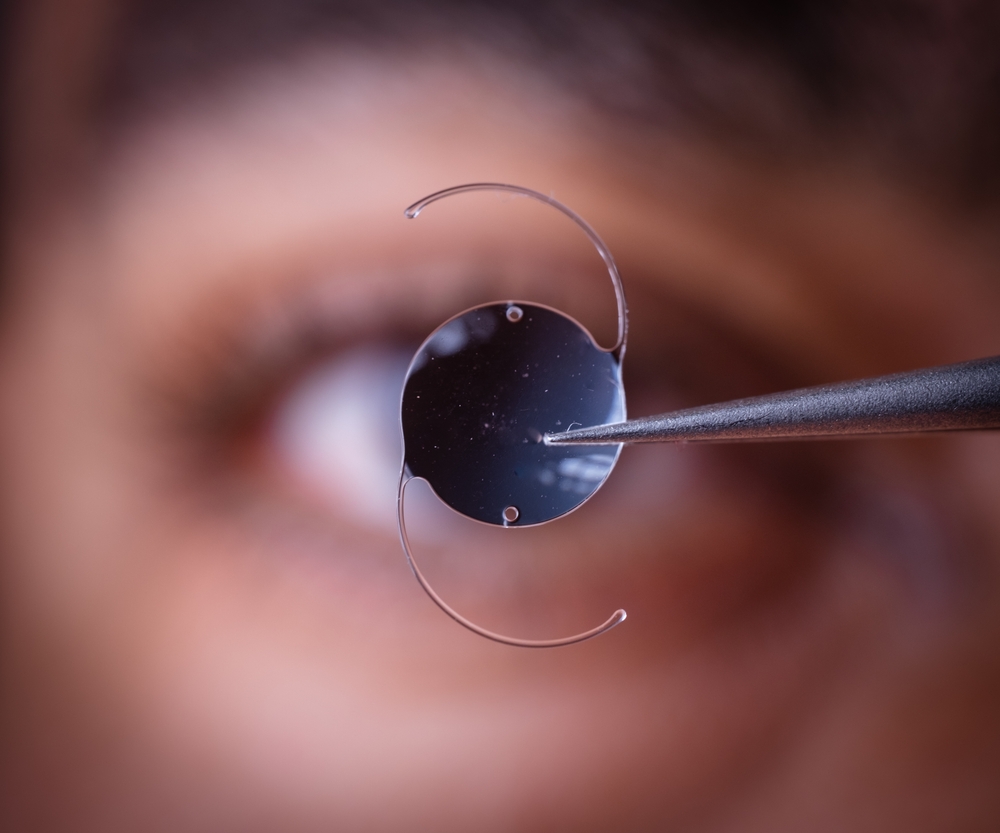
Two refractive lenses before a refractive lens exchange procedure

If you’re dreaming about life free from glasses, refractive lens exchange (RLE) could be the procedure that gets you there. At the Bochner Eye Institute in Toronto, ON, Dr. Raymond Stein has performed more than 200,000 successful eye surgeries and is recognized as one of North America’s leading ophthalmic surgeons for cataract surgery and RLE.

If you’re considering RLE, one of the first and most important choices you’ll make is between laser-assisted and traditional techniques. Both approaches aim to replace the natural lens with an advanced intraocular lens (IOL), but the surgical method can make a significant difference in terms of comfort, precision, and recovery.

Understanding Laser RLE

With laser RLE, Dr. Stein uses advanced technology in several critical steps of the procedure. Guided by 3D imaging, the Catalys™ laser creates a precise round opening in the eye lens, then shatters the lens into microscopic pieces.

For patients with astigmatism, the laser creates accurate incisions in the cornea to help correct it (or, for higher astigmatism, patients may need a Toric IOL). Dr. Stein uses an aspirating tool to remove the fragmented lens of the eye while leaving the thin, sac-like membrane surrounding it (the capsular bag) intact. Rarely, he may use ultrasound energy during this process.

Next, Dr. Stein places an IOL, folded in half, through a tiny incision in the capsular bag. He ensures the IOL is properly positioned to correct your vision and places antibiotics in the eye to help prevent infection and encourage healing.

Traditional RLE in Comparison

Traditional refractive lens exchange uses handheld instruments. With this approach, the surgeon manually creates openings in the lens and cornea, then uses an ultrasonic probe to break up the natural lens before removing it.

Similarly, astigmatism correction involves manual incisions (or, for higher astigmatism, a Toric IOL).

Traditional RLE corrects vision with an IOL, so it’s just as effective as laser RLE. However, traditional RLE is more traumatic to the eye and thus the healing process may be more complicated and can take longer.

Results of RLE

At Dr. Stein’s practice, patient safety is always the top priority. Thanks to his extensive expertise and the use of highly advanced technology, complications are exceedingly rare after refractive lens exchange. More than 99% of patients recover smoothly with no complications.

Laser RLE adds an extra layer of safety and dependability to surgery, making it the leading choice for many of Dr. Stein’s patients today. Our patients feel confident knowing they’re receiving world-class care from a surgeon who combines exceptional skill with the latest advancements in vision correction.

Refractive Lens Exchange in Toronto, ON

If you’re considering options for clearer vision, refractive lens exchange may be the right choice for you. Call Bochner Eye Institute at (416) 960-2020 to schedule your consultation with Dr. Raymond Stein in Toronto.

LipiFlow: Easy Office Based Treatment For Stubborn Dry Eyes

June 15th, 2025
Young woman, sitting at a computer desk, rubs her dry eyes

Dealing with gritty, burning, or watery eyes that don’t get better with drops? You could be experiencing meibomian gland dysfunction (MGD), the most common cause of evaporative dry eye disease. At Bochner Eye Institute, we offer LipiFlow, a quick in-office treatment designed to address the root cause of evaporative dry eye.

Led by Medical Director Dr. Raymond Stein, our Toronto, ON, facility features a dedicated Dry Eye Clinic, offering a comprehensive range of dry eye treatments to ensure our patients enjoy comfortable, clear vision. This month, our blog focuses on LipiFlow. Here’s what you should know about this convenient office-based treatment for dry eyes.

Read the rest of this entry »

The Light-Adjustable Lens: Using the Power of Light to Improve Vision

February 15th, 2025
https://www.shutterstock.com/image-photo/photo-intra-ocular-lens-iol-treating-2309983601

If you have cataracts and always assumed that vision correction was set in stone after surgery, we’ve got great news: the revolutionary Light Adjustable Lens is changing the world of cataract surgery today. It allows for eyesight adjustments weeks after the procedure, with trial sessions to ensure it’s just right before locking in the correction. 

At Bochner Eye Institute, one of Canada’s first eye care centers to offer this innovative technology, Dr. Raymond Stein makes achieving your best possible vision easy. Celebrities, F1 drivers, NASA test pilots, and countless people trust us with their eyesight. 

Now, you, too, can experience customized vision improvement tailored precisely to your needs with the Light Adjustable Lens. Here’s what you should know about this customizable surgery option.

How the Light Adjustable Lens Works

The Light Adjustable Lens (LAL) is a state-of-the-art intraocular lens (IOL) that provides optimal visual accuracy after cataract surgery. It’s also an option for refractive lens exchange (RLE) in which patients with significant nearsightedness or farsightedness need vision correction but don’t have cataracts yet.

The LAL is approved by the Canadian Health Protection Branch and the United States FDA. It’s the only lens of its kind because it allows you to fine-tune your IOL prescription after surgery. 

LALs feature a unique photosensitive material that responds to ultraviolet (UV) light. After surgery, you’ll have a healing period followed by several brief treatment sessions to fine-tune your vision. 

In contrast, other IOLs are set: After surgery, you can’t adjust your vision, so the LAL represents a remarkable advancement in vision correction. 

What to Expect After Your Procedure

After surgery, you’ll wear special UV-blocking glasses to protect your eyes from unintended exposure. These glasses prevent accidental changes in your lens while adjustments are ongoing. You’ll wear them for approximately four to six weeks, removing them only briefly for activities like showering or sleeping. 

Around 21-30 days after surgery, Dr. Stein uses a specialized light delivery device to direct UV light on the lens. This process adjusts the power of your lens, changing it based on your initial feedback. 

This painless process only takes about 90 seconds. Most patients have between three and five adjustment sessions. Once you’re happy with your vision, a final “lock-in” treatment ensures your customized results are permanent.

Advantages of Choosing the Light-Adjustable Lens

The LAL is about twice as likely to give you 20/20 vision without glasses versus standard IOLs. 

The ability to preview and adjust your vision post-surgery offers many patients peace of mind before they undergo cataract surgery or RLE. 

Overall, the LAL has long-term visual satisfaction and flexibility unmatched by other lens options.

LAL in Toronto, Scarborough, Unionville, and Oakville, ON

With nearly a century of innovation, the Bochner Eye Institute is a trailblazer in advanced vision correction. Dr. Raymond Stein and our specialists guide you through each step, ensuring your comfort and optimal vision outcomes. If you’re ready to experience the freedom of customized vision, contact Dr. Stein’s office at Bochner Eye Institute today at 416-960-2020

Understanding the Two Main Causes of Dry Eyes 

October 15th, 2024
Dry eyes in Toronto

Dry eyes can irritate and disrupt, even causing vision issues if left untreated. Although many people experience occasional dryness, ongoing symptoms often point to an underlying condition.  

The main underlying causes of dry eye disease are meibomian gland dysfunction (MGD) and aqueous deficiency, each requiring a different approach to treatment. 

At Bochner Eye Institute, esteemed ophthalmologist Dr. Raymond Stein, recognized as one of North America’s leading ophthalmology specialists, leads a talented team of dry eye disease experts. We use the most advanced eye care innovations to detect and resolve dry eye disease so you can enjoy great eye health and vision.  

One of our focuses is patient education. Unfortunately, when it comes to dry eyes, many patients don’t have access to the information they need to understand it as a disease. Our blog today delves into the two main causes of dry eye disease and how we can help. 

Meibomian Gland Dysfunction: Blocked Glands 

Meibomian gland dysfunction (MGD) happens if the meibomian glands — the oil-producing glands above and below the eyelids — become clogged or inflamed.  

These glands secrete oils that help prevent tears from evaporating too quickly. When they don’t work properly, tears are mainly composed of water. Too-watery tears dry out too quickly, failing to lubricate your eyes and causing common symptoms of dry eyes. Some common signs that your dry eyes could be caused by MGD include: 

  • Dryness  
  • Gritty Feeling: Like sand in the eyes 
  • Red Eyes 
  • Swollen Eyelids 
  • Light Sensitivity 
  • Blurry Vision 

Watery eyes are one of the signs of MGD-caused dry eyes that surprise many people. While it sounds strange that watery eyes are a sign of dry eyes, it’s true! When your eyes don’t have enough oil and get too dry, you can experience reflex tearing. But those aren’t genuine tears and offer no lubrication to soothe your eyes.  

Aqueous Deficiency: Not Enough Tears 

Aqueous deficiency dry eye can develop if the lacrimal glands don’t make enough water to help maintain the proper tear balance. The causes of aqueous deficiency can include Sjögren’s disease, other autoimmune diseases, certain medications, hormone changes, and aging.  

Aqueous deficiency dry eye causes many of the same issues as meibomian dry eye, although stinging sensations may be more common with aqueous dry eye. 

Effective Treatments for Dry Eyes 

Fortunately, several treatments can help with dry eye symptoms. Two effective examples are: 

  • Restasis: A prescription eye drop that reduces tear gland inflammation to boost tear production. It helps treat aqueous deficiency by encouraging natural tear flow. 
  • LipiFlow: A treatment specifically for MGD. It uses heat and light pressure to unclog the meibomian glands. 

If you experience frequent dry eye symptoms, a consultation can help you find the right approach for lasting relief. 

Dry Eye Treatment in Toronto 

Bochner Eye Institute offers customized dry eye solutions to help restore comfort and quality of life. Call us in Toronto at 416-960-2020 to schedule your consultation. 

What Should You Do When Presbyopia Starts?

June 10th, 2024

As we age, our eyes naturally undergo changes, and one of the most common age-related vision issues is presbyopia. This condition generally starts to affect people in their 40s and early 50s and can be quite unsettling as it progresses. If you’re noticing early signs of presbyopia, understanding what it is and knowing how to manage it can help maintain your vision and quality of life. Ophthalmologist Dr. Raymond Stein offers this guide on what to do when presbyopia starts.

Read the rest of this entry »

Can People with Dry Eyes Safely Wear Eye Makeup?

February 5th, 2024
Dry Eye Toronto

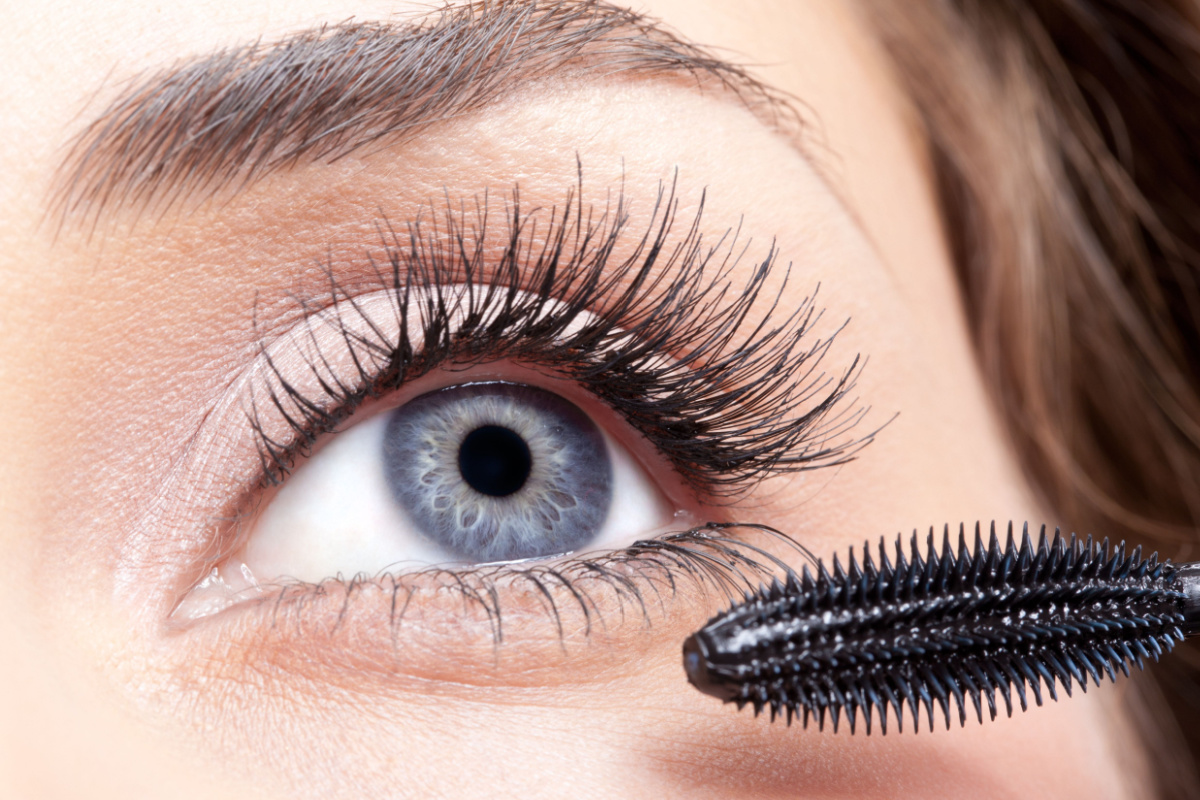
Makeup is often considered an essential part of a daily routine, allowing users to express themselves and enhance certain features. However, for those who suffer from dry eyes, using eye makeup can raise concerns about eye irritation or prolonged eye dryness. Highly experienced and respected ophthalmologist Dr. Stein wants dry eye patients to experience optimal eye health and comfort. Ahead, learn more about dry eyes and if it is possible to safely enjoy makeup with the condition.

Read the rest of this entry »

Spotting the Signs of Keratoconus in Your Teen

October 12th, 2023
Keratoconus Treatment in Oakville

Keratoconus is an eye disease that affects the cornea, which is the transparent, curved outer layer of the eye. With keratoconus, the cornea begins to bulge outward into a cone shape, which makes vision blurry and distorted. Keratoconus is a progressive condition that often shows up when a child reaches their teenage years, and the corneal changes and symptoms worsen over time if the disease is not treated. Because this condition can threaten your child’s vision, it is essential to become familiar with the signs of keratoconus.

Read the rest of this entry »

Is Macular Degeneration Genetic? How Having a Parent with Eye Disease Increases Your Risk

June 1st, 2023
macular degeneration Toronto

As we age, the risk of developing certain eye conditions, such as age-related macular degeneration (AMD), increases. This condition is a leading cause of vision loss, and risk factors include lifestyle choices and diet. Genetics can also play a significant role in the development of AMD and how it progresses in an individual. Continue reading to learn how genetics affects your risk of developing AMD.

Read the rest of this entry »

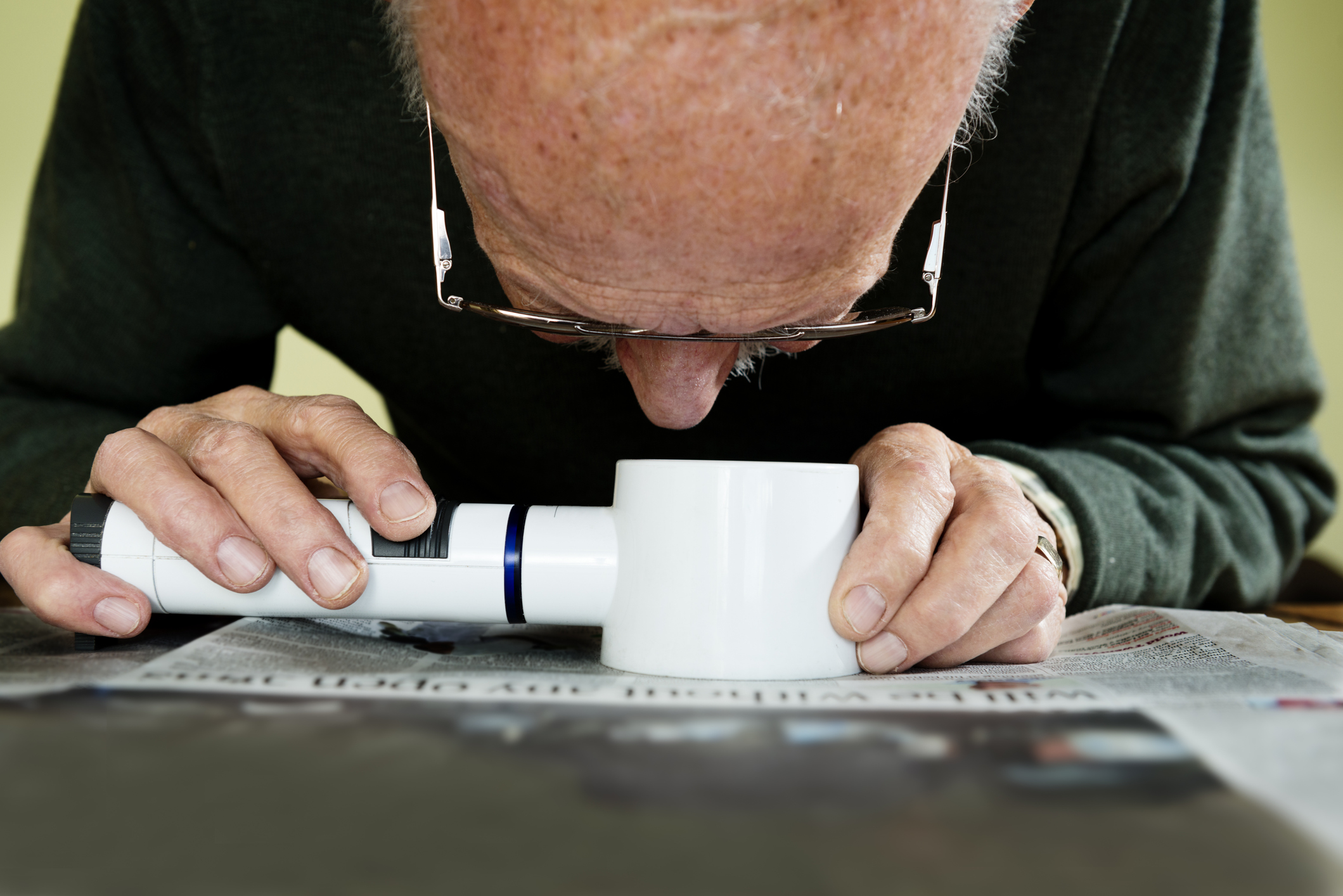
Does Low Vision Impact Your Quality of Life? Schedule an Eye Exam to Find Answers

January 31st, 2023

Vision is one of the most important senses that help us process, observe, and interact with the world around us. For many individuals, low vision has impacted their lives in a number of ways. Low vision can result from injuries to the eye, as well as conditions such as diabetic retinopathy. Whatever the cause, declining vision can impede the ability of an individual to perform everyday tasks, such as writing, reading, walking, and socializing. It is important to schedule regular eye exams to monitor the health of your eyes. Here, Dr. Stein discusses how quality of life is impacted by low vision.

Read the rest of this entry »

Can Keratoconus Make You Blind? What To Do About Worsening Vision

October 3rd, 2022

The good news is that keratoconus rarely results in total blindness. However, this degenerative condition can lead to extensive vision loss. Dr. Raymond Stein, the Medical Director of the Bochner Eye Institute and Professor of Ophthalmology and Vision Sciences at the University of Toronto, discusses the signs and symptoms of keratoconus and treatment options.

Read the rest of this entry »